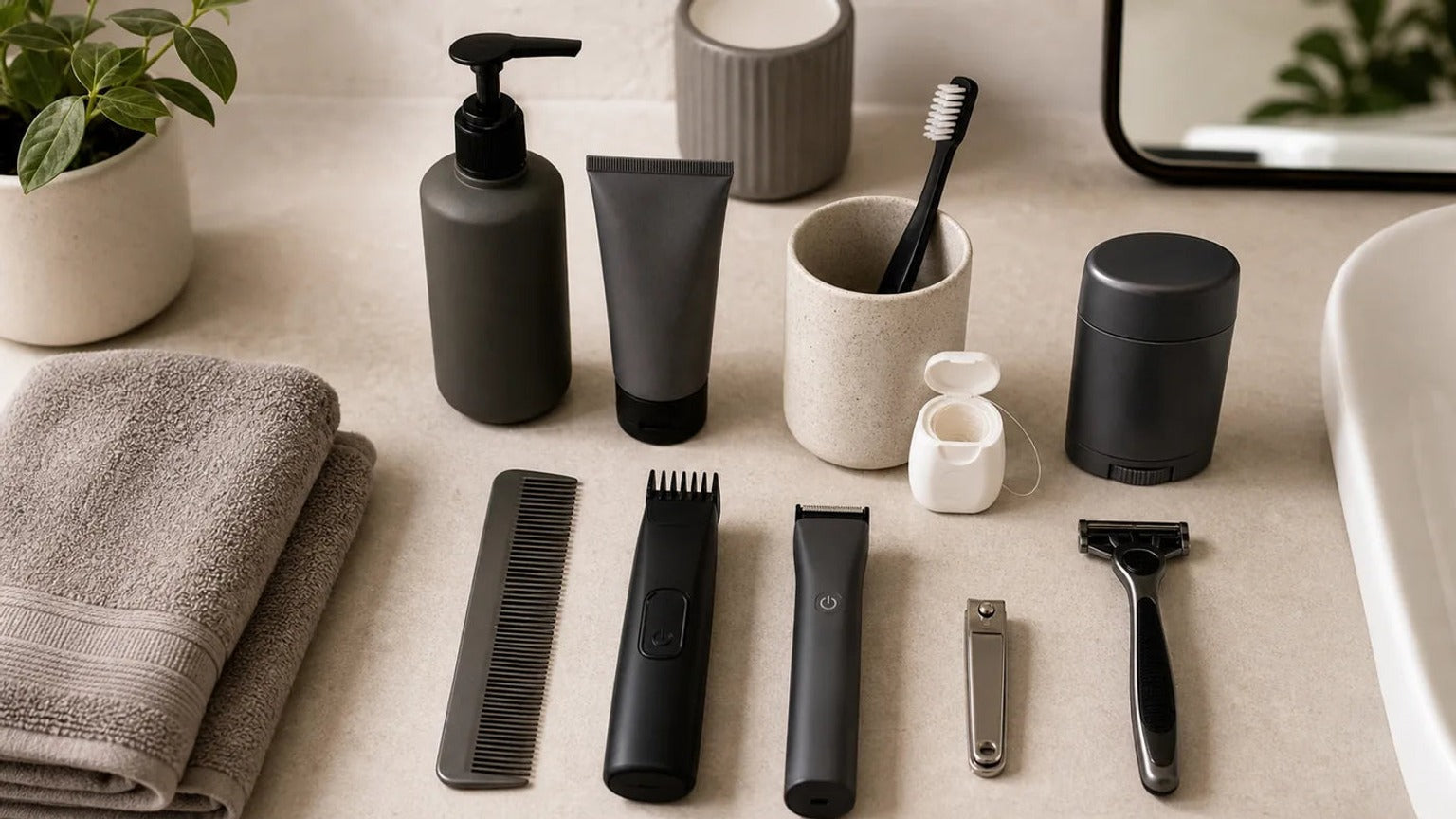
Choosing the right equipment for personal grooming often feels more complicated than necessary. With a wide variety of devices on the market—ranging from dedicated body trimmers and multi-functional groomers to traditional wet shavers and electric foil shavers—it is easy to end up with a tool that does not quite match your daily habits or skin sensitivity. Understanding the distinct role of each device prevents frustration and helps you build a more efficient grooming routine.
This guide clarifies how body grooming tools differ from other grooming devices. By examining length control, finish quality, skin contact, and ongoing maintenance, you can determine which category best serves your specific needs.
Quick Verdict
If you prefer maintaining a specific hair length without a completely smooth finish, a dedicated body trimmer is typically the most versatile and comfortable choice. If your goal is a completely clean-shaven finish, a traditional safety razor or electric foil shaver is more appropriate. For users who switch frequently between trimming and light shaving across different body zones, a multi-functional groomer offers the best balance. The key to a successful routine lies in matching the tool's primary design strength to your preferred styling outcome rather than relying on a single device for every task.
Defining Tool Roles
Every personal care device is engineered with a specific primary function. Recognizing these boundaries helps clarify why certain tools perform better in specific scenarios.
-
Body Trimmers: Engineered primarily to reduce hair length while keeping a small, controlled buffer from the skin. They rely on protective guards or specialized blade spacing to minimize direct skin contact.
-
Multi-Functional Groomers: Designed as hybrid devices that combine trimming heads with foil or rotary shaving attachments. They offer flexibility for users who want both length reduction and occasional close finishes.
-
Traditional Shavers & Razors: Built to cut hair level with or slightly below the skin surface. This category includes manual cartridge razors, safety razors, and electric foil or rotary shavers, all optimized for maximum smoothness.
Comparison of Grooming Categories
Different tools handle hair removal through distinct mechanisms, leading to noticeable trade-offs in finish, skin comfort, and maintenance.
| Tool Category | Primary Function | Typical Finish | Skin Contact Level | Main Maintenance Need |
|---|---|---|---|---|
| Body Trimmer | Length reduction | Short stubble | Low (guarded blades) | Brush out hair, oil blades |
| Groomer | Trimming & detailing | Variable | Moderate | Clean attachments, rinse head |
| Foil/Rotary Shaver | Close hair removal | Smooth skin | High (direct contact) | Empty clippings, replace foils/blades |
| Manual Razor | Close hair removal | Completely smooth | Direct friction | Rinse frequently, replace cartridges |
Scenario Winners: Matching Tools to Your Routine
Different areas of the body and varying maintenance schedules demand different approaches. Selecting the right tool depends heavily on your immediate goal.
For general upkeep and management of longer hair across large areas, a body trimmer reduces volume quickly with minimal risk of irritation. When preparing for athletic activities where reduced friction or specific aesthetic preferences matter, users often rely on body grooming tools to manage length efficiently before deciding whether a closer finish is necessary.
If your routine requires a completely smooth finish on flat surfaces like the face or chest, an electric foil shaver or manual razor provides cleaner results. However, using a close-cutting blade on sensitive or curved areas often increases the likelihood of razor burn or ingrown hairs if proper preparation and technique are missing.
Maintenance and Upkeep Trade-Offs
Long-term satisfaction with any grooming device depends heavily on the effort required to keep it functioning properly.
Trimmers and multi-functional groomers generally require regular brushing, occasional blade oiling, and rinsing detachable guards. Because their blades experience less direct friction with the skin compared to manual razors, they often last significantly longer before requiring replacement parts.
On the other hand, traditional razors and electric shaver foils require frequent replacements to maintain cutting efficiency and hygiene. Dull blades pull at hairs rather than cutting cleanly, which increases skin irritation regardless of the device type. Factoring in replacement part availability and cleaning time helps ensure your chosen tool remains practical over months of regular use.
Making Your Choice
Selecting the ideal grooming tool ultimately comes down to balancing three factors: your desired hair length, the areas you plan to maintain, and the amount of time you wish to spend on maintenance. If you value flexibility and comfort over a perfectly smooth finish, a dedicated trimmer or versatile groomer usually provides the most reliable daily performance. Evaluate your actual habits rather than ideal scenarios to find the setup that integrates smoothly into your personal routine.